
Arapahoe County Family Court Records
Arapahoe County is one of the largest counties in Colorado. It sits in the 18th Judicial District. The county has two main court locations. The Arapahoe County Justice Center is in Centennial. The Arapahoe County Courthouse is in Littleton. Both handle family court cases. You may need to visit one or both. It depends on where your case was filed.
The Justice Center is at 7325 South Potomac Street in Centennial. This modern building opened to serve the growing county. It handles many types of cases. Family cases are a big part of the work. The Littleton Courthouse is older. It is at 1790 West Littleton Boulevard. Some family cases are still heard there. Check your paperwork. It will tell you which location you need.
Arapahoe County has over 650,000 people. This makes it one of the busiest court districts in Colorado. Thousands of family cases are filed each year. The court system works hard to keep up. Records are kept at both locations. Staff can help you find what you need. Phone lines can be busy. Be patient when you call.
Where to Find Arapahoe County Family Court Records
Finding family court records in Arapahoe County takes some planning. First, find out which court location has your case. The Centennial Justice Center handles most new filings. The Littleton Courthouse may have older cases. Some cases move between locations. Your case number will help. It shows where the file is stored.
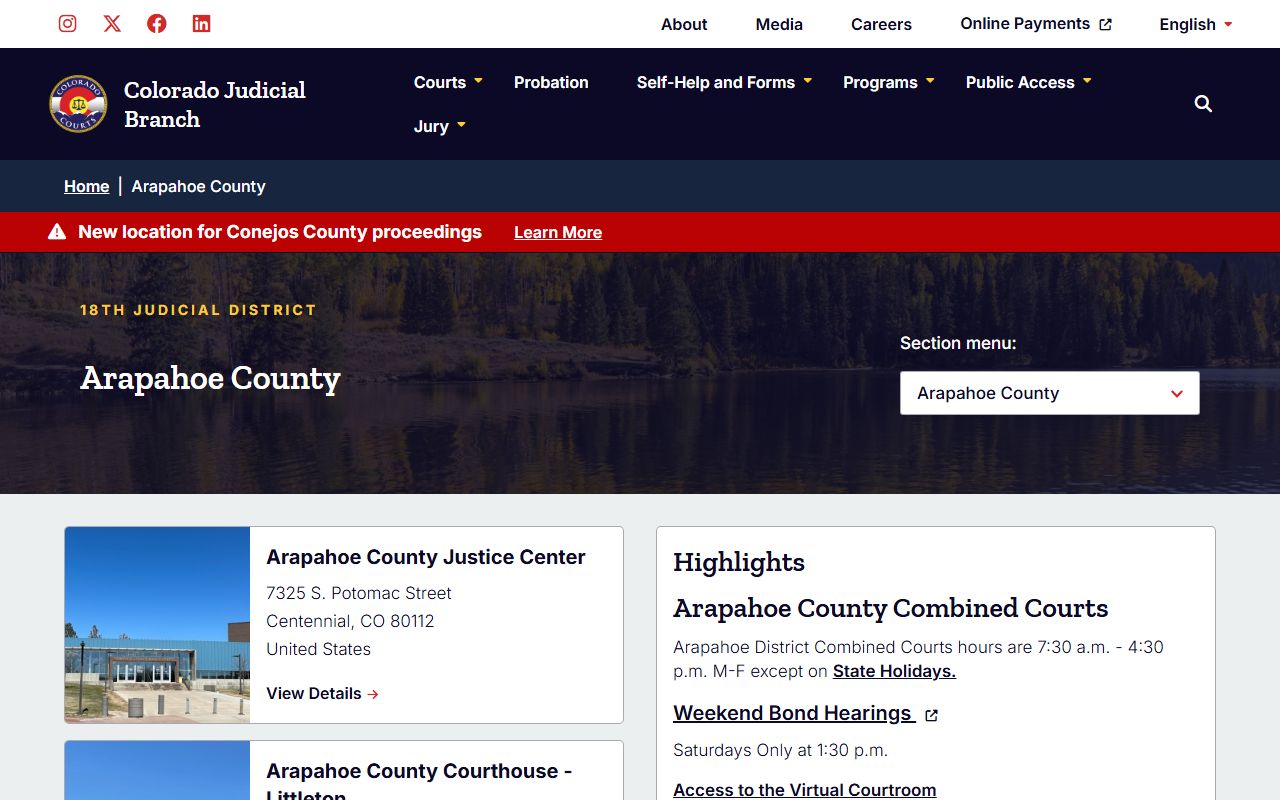
Both locations are open Monday through Friday. Hours are 7:30 a.m. to 4:30 p.m. Arrive early if you can. Lines can form at the counter. Bring your ID. Bring your case number. Know the names on the case. This speeds up the process.
You can also request records by email. Send your request to 18records@judicial.state.co.us. Include all the details you have. State what documents you want. There will be copy fees. The staff will reply with the total cost. They will tell you how to pay. This method takes longer. But it saves you a trip.
Types of Family Court Records in Arapahoe County
Arapahoe County family courts handle many case types. Divorce is the most common. These cases end marriages. They split property. They set up support orders. They decide custody of children. All of this goes into the court record. The final decree is the most important document. It proves the divorce is final. It shows all the terms.
Allocation of parental responsibilities is another key case type. This is what Colorado calls custody cases. The court decides where children live. It sets visitation schedules. It orders child support. These orders can be changed later. If circumstances change, you can file to modify. The new order becomes part of the record too.
Protection orders are filed in family court. These help people who feel unsafe. The court can order someone to stay away. Violating these orders is a crime. Records of these cases are public. Some details may be hidden. This protects the person who asked for help.
Requesting Family Court Records in Arapahoe County
Getting copies of court records is your right. Colorado law says court records are public. C.R.S. § 24-72-201 sets this rule. Arapahoe County follows this law. You can ask to see most files. You can get copies too. There are some limits. Juvenile records may be sealed. Adoption records are closed. But most family court files are open.
Visit the court in person for same-day service. The clerk will search for your case. You will pay a fee per page. Cash, check, or card may be accepted. Call ahead to check payment types. Certified copies cost more. You may need these for official use. Tell the clerk if you need a certified copy.
For payment issues, contact the collections office. They are at 18thcollections@judicial.state.co.us. This email is for fines and fees. It is not for records requests. Use the records email for document copies. If you have questions about probation, call (720) 213-7800. This line does not handle records. But they can tell you where to go.
Online Search Options for Arapahoe County
Colorado has made court records easier to access. The CoCourts website lets you search cases. You can look up Arapahoe County cases. Enter a name. Enter a case number. The system will show results. You can see basic info for free. This includes case status. It includes hearing dates.
Some documents are online. You may need to pay to view them. The fees help fund the system. Not every document is digital. Older cases may not be scanned. For these, you must visit the court. The online system is a good starting point. It tells you if a case exists. It tells you the case number. This helps when you call or visit.
The 18th Judicial District also includes Douglas, Elbert, and Lincoln counties. If you search online, make sure you pick the right county. Arapahoe cases are separate from the others. The search tool lets you filter by county. Use this feature. It saves time.
Legal Resources in Arapahoe County
Arapahoe County has many legal resources. The court may have a self-help center. This helps people without lawyers. Staff can explain forms. They can explain the process. They cannot give legal advice. But they point you in the right direction. Call the main number to ask about these services.
Colorado Legal Services helps those who cannot afford a lawyer. They have income limits. Call to see if you qualify. They handle family law cases. They help with divorce. They help with custody. They help with protection orders. Their help is free if you qualify.
Low-cost legal clinics exist too. Some lawyers offer reduced rates. The Colorado Bar Association can refer you. Call their lawyer referral service. You pay a small fee for a first meeting. This lets you discuss your case. You can decide if you want to hire the lawyer. This is a good way to get affordable help.
Mediation services are available. These help people settle cases without trial. It can save money. It can reduce stress. The court may require mediation for some cases. Ask about this option. It works well for custody disputes. It works for property issues too.