
Colorado Family Court Records
Colorado family court records are public documents held by the Colorado Judicial Branch. These records cover divorce cases, child custody disputes, adoption proceedings, and protection orders filed in the state. Colorado has 64 counties organized into 22 judicial districts. Each district court maintains its own case files for family matters filed within its borders.
Colorado Family Court Quick Facts
Where to Find Colorado Family Court Records
The Colorado Judicial Branch maintains all family court records in the state. District Courts hear family cases in each of the 22 judicial districts. These courts keep files for divorces, custody battles, child support actions, adoptions, and protection orders. You can access records at the courthouse where the case was filed. Most courthouses have public terminals where you can search for cases by name or case number.
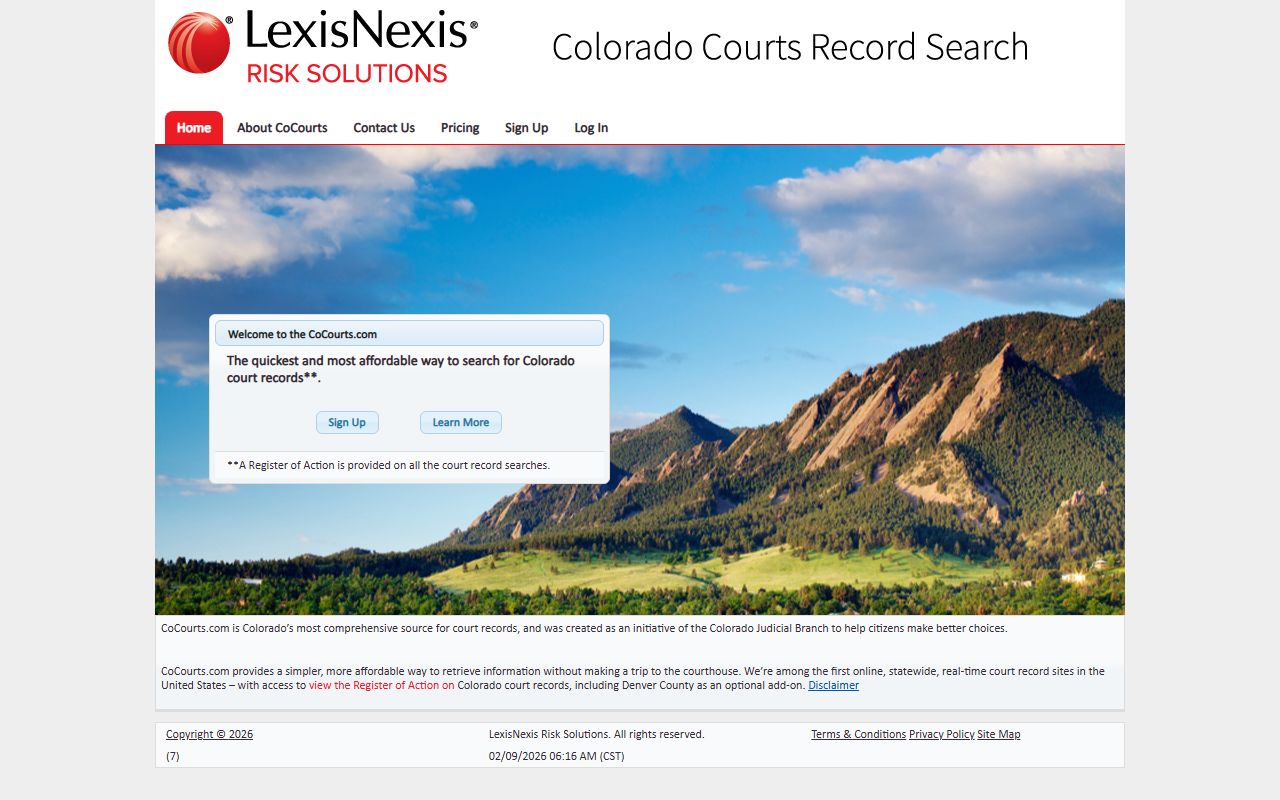
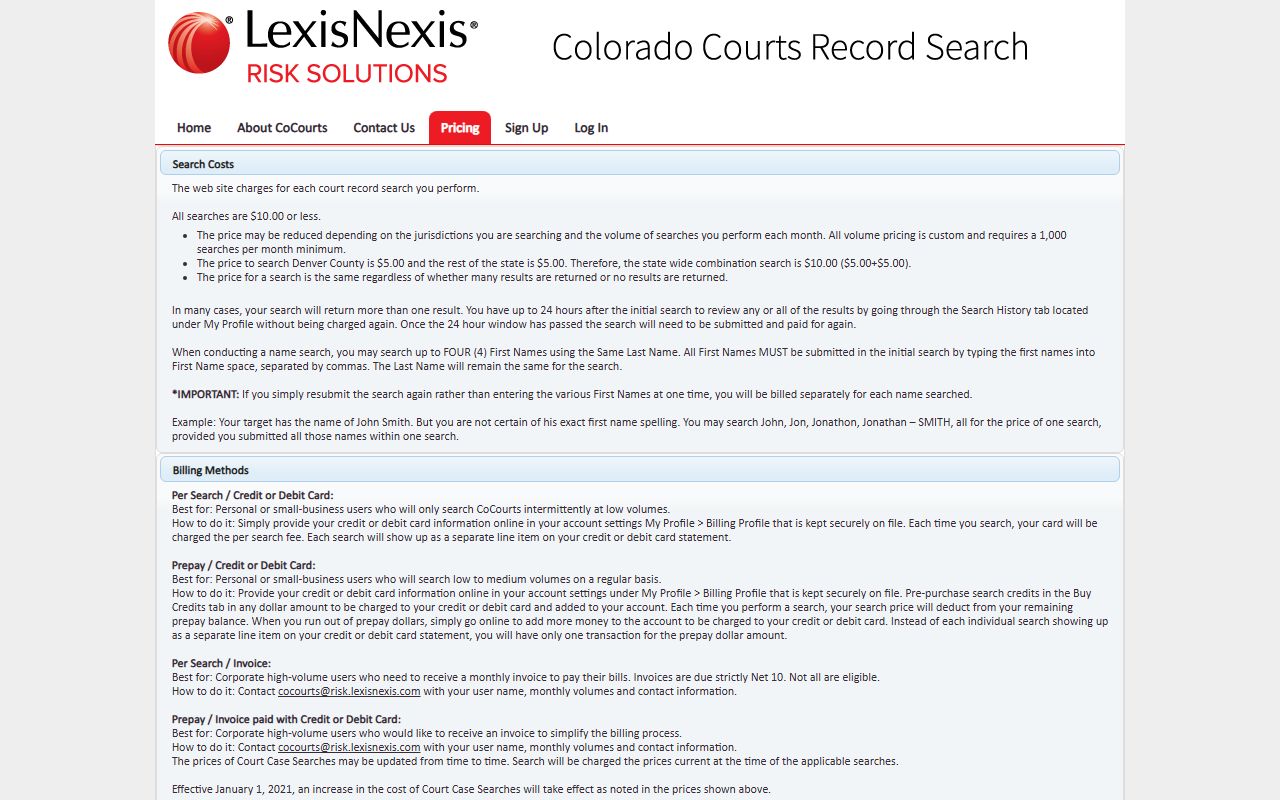
CoCourts.com is the official online portal for Colorado court records. LexisNexis runs this site under contract with the state. You can search statewide from your home or office. The site charges fees for access. A basic search costs $10 total. This covers both Denver courts and all other courts in Colorado. You pay $5 for Denver records and $5 for the rest of the state. Visit CoCourts.com to begin your search.
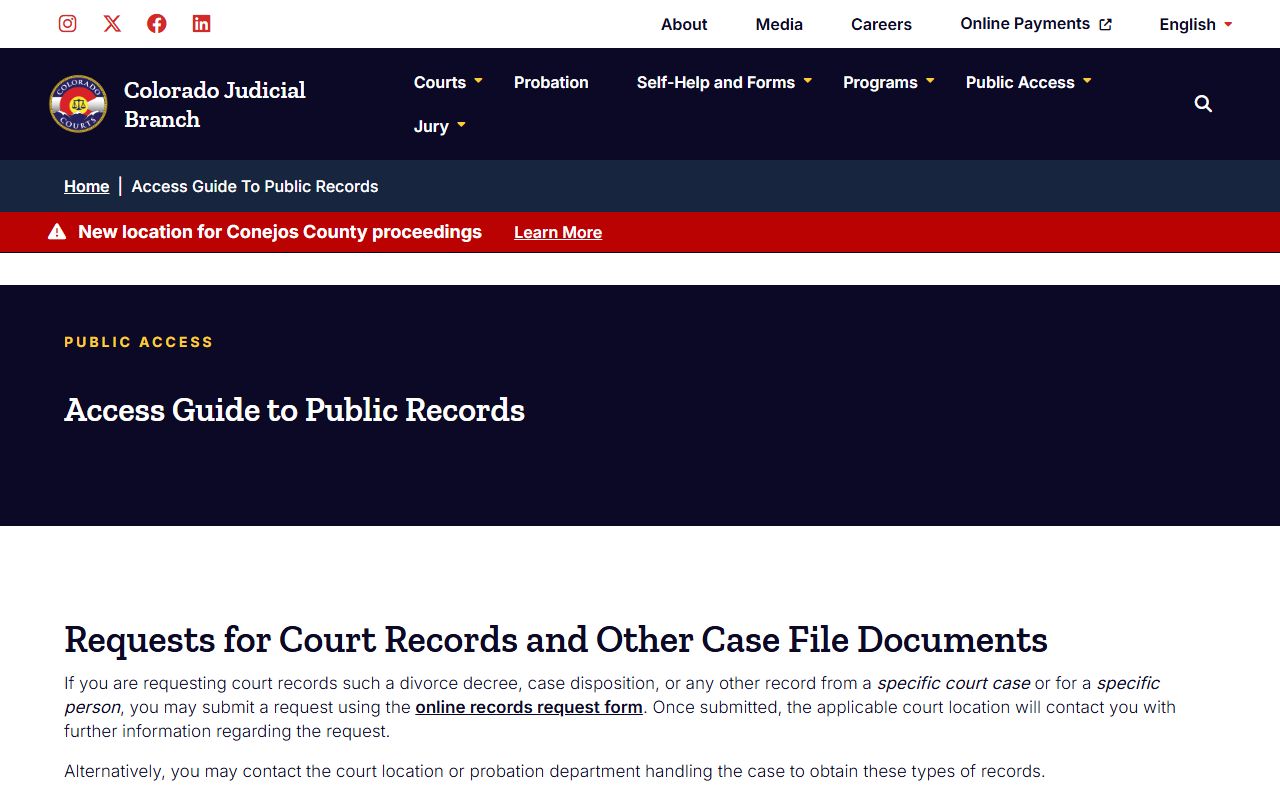
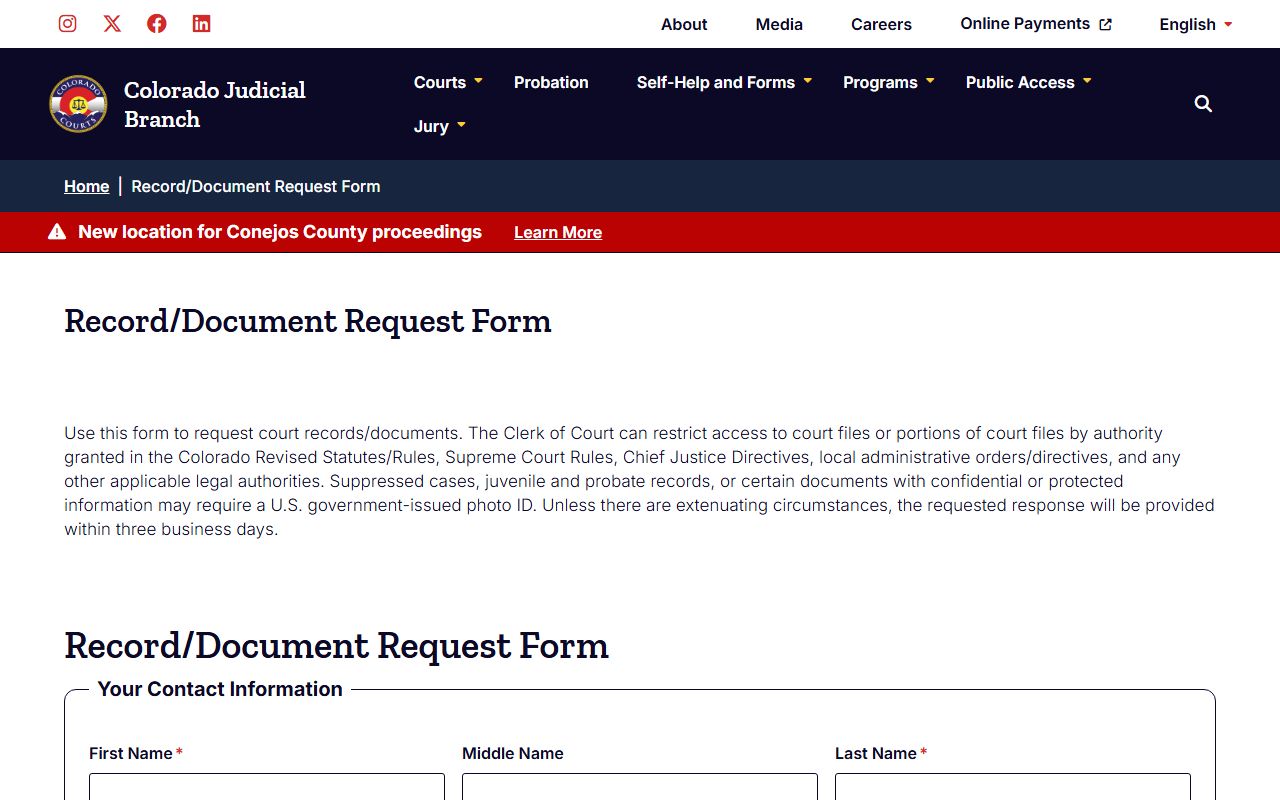
The Colorado Judicial Branch also offers a records request form. You can use this form to ask for copies by mail. The form is on their website at coloradojudicial.gov. You must pay fees for copies and certification.
How to Search Family Court Records in Colorado
Colorado gives you several ways to search family court records. Online access works best for quick checks. In-person visits let you view full case files. Both methods are open to the public.
To search online, go to CoCourts.com. Create an account and add funds to your balance. You can then search by party name or case number. The system shows basic case details. You can buy document images if you need full records. Prices vary based on what you need.
You can also visit any District Court in person. Each courthouse has public access computers. Clerks can help you find what you need. Bring the full name of at least one party. The case number helps if you have it. Staff can print copies for a fee. Certified copies cost more than plain ones.
For best results when searching, have these details ready:
- Full legal name of at least one party
- Approximate year the case was filed
- County or judicial district where filed
Note: Some older records may not appear online. Very recent filings may also take time to show up in the system.
Types of Family Court Records in Colorado
Colorado family courts handle many types of cases. Each case type creates its own set of records. Divorce cases are the most common. These records include the petition for divorce, responses, settlement papers, and the final decree. The decree is the court order that ends the marriage. It covers property split, debt division, and spousal support.
Child custody cases create detailed records. These include parenting plans, custody orders, and visitation schedules. The court keeps files on all motions and hearings. Records also note which parent has legal custody and physical custody. Child support cases have their own files too. These show income statements, support calculations, and payment records.
Adoption records are more complex. Most adoption files are sealed by law. This protects the privacy of birth parents and adoptive families. Some records may be open if the adoption happened long ago. You must petition the court to open sealed adoption records.
Protection order cases are filed in family court. These include restraining orders and no-contact orders. Records show the petition, any evidence presented, and the court ruling. Some facts in these cases may be kept private for safety reasons.
Family court records in Colorado typically contain:
- Names of all parties involved
- Case number and filing date
- Court orders and judgments
- Motions and responses filed
- Hearing dates and outcomes
Colorado Family Court Laws and Rules
Colorado law governs how family courts work. The Colorado Revised Statutes set the rules for all family cases. These laws cover divorce, custody, support, and adoption. They also set the rules for public access to court records.
C.R.S. § 24-72-201 is the Colorado Open Records Act, known as CORA. This law says most court records are open to the public. You have the right to inspect and copy these records. You do not need to give a reason for your request.
C.R.S. § 24-72-203 covers how to make inspection requests. You must submit requests in writing for some records. The court must respond within three business days. They can charge fees for copies and staff time.
C.R.S. § 14-10-127 makes custody reports confidential. These reports are prepared by experts. They help judges decide what is best for children. The public cannot view these reports. Only the parties and their lawyers can see them.
C.R.S. § 19-1-301 governs juvenile records. Most juvenile court files are not public. This protects young people from lifelong stigma. Some serious cases may be open to the public.
Chief Justice Directive 05-01 sets the rules for court record access. This policy explains what records are open and what are sealed. It also lists the fees for copies. You can read CJD 05-01 on the Colorado Judicial Branch website at coloradojudicial.gov.
Family Court Record Fees in Colorado
Fees for family court records vary based on what you need. The Colorado Judicial Branch sets standard rates. Courts can charge for copies, certification, and searches.
C.R.S. § 24-72-205 allows copy fees of $0.25 per page. This applies to standard paper copies. The law caps fees at $15 for parties to a case. Non-parties may pay more for large files. Certified copies cost $20 each under C.R.S. § 13-32-104. Certification means the clerk verifies the copy is true and correct.
Filing fees for new cases are higher. C.R.S. § 13-32-101 sets the rates. Filing for divorce costs several hundred dollars. Fees vary by county. Most courts post current fee schedules online. You can also call the clerk to ask about costs.
Online searches at CoCourts.com have their own pricing. A statewide search costs $10. This breaks down as $5 for Denver courts and $5 for all other Colorado courts. You must fund your account before searching. Unused funds stay in your account for future searches.
Fee waivers may be available. You can file a motion to waive fees if you have low income. The judge decides if you qualify. You must show proof of your financial status.
How to Get Copies of Colorado Family Court Records
You have several ways to get copies of family court records in Colorado. The method you choose depends on how fast you need the records and what type of copies you need.
For certified copies, visit the courthouse where the case was filed. Ask the clerk for a certified copy of the decree or order. You will pay $20 per document. Bring exact change or a check. Some courts take credit cards. Call ahead to confirm payment options.
For plain copies, you can use the public terminals at the courthouse. Find your case on the computer. Print the pages you need. The cost is $0.25 per page. Some courts let you save files to a USB drive for free.
You can also request copies by mail. Download the records request form from coloradojudicial.gov. Fill out the form with case details. Include your payment and a self-addressed stamped envelope. Mail it to the court that heard the case. Processing takes one to two weeks.
CoCourts.com offers instant access to some records. You can view and print documents from home. Not all records are available online. Older cases may need an in-person visit.
Legal Help for Family Court Cases in Colorado
Family court cases can be complex. Many people need legal help. Colorado offers resources for those who cannot afford a private lawyer.
Colorado Legal Services provides free help to low-income residents. They assist with divorce, custody, and protection orders. Visit coloradolegalservices.org to apply for help. They have offices across the state.
The Colorado Bar Association offers lawyer referral services. Call their hotline to find a family law attorney. They can match you with lawyers who offer reduced rates. Some lawyers give free first consultations.
Many courthouses have self-help centers. These centers offer forms and guides for people without lawyers. Staff can explain court rules. They cannot give legal advice. Check with your local District Court to see if they have a self-help center.
Law school clinics also provide help. The University of Colorado and other schools offer clinics. Students work on cases under professor supervision. These clinics handle family law matters for free or low cost.
Are Family Court Records Public in Colorado
Most family court records are public in Colorado. CORA guarantees your right to access these records. You can view and copy case files at the courthouse. You can also search online through CoCourts.com.
Some records are not public. Custody evaluation reports stay confidential. Juvenile records are sealed to protect minors. Adoption records are closed by law. Protection order cases may have redacted details for safety.
A party can ask the court to seal records. The judge holds a hearing. The person must show good cause to seal the file. The public has a right to open courts. Sealing records is rare.
Note: Even public records may have private facts removed. Social security numbers and bank accounts are redacted. This protects people from fraud.
Browse Colorado Family Court Records by County
Each of Colorado's 64 counties is part of a judicial district. District Courts in each district hear family cases. Select a county below to find local court information and resources for accessing family court records.
Family Court Records in Major Colorado Cities
Family court cases are filed at District Courts serving major cities. Click a city below to learn about accessing family court records in that area.